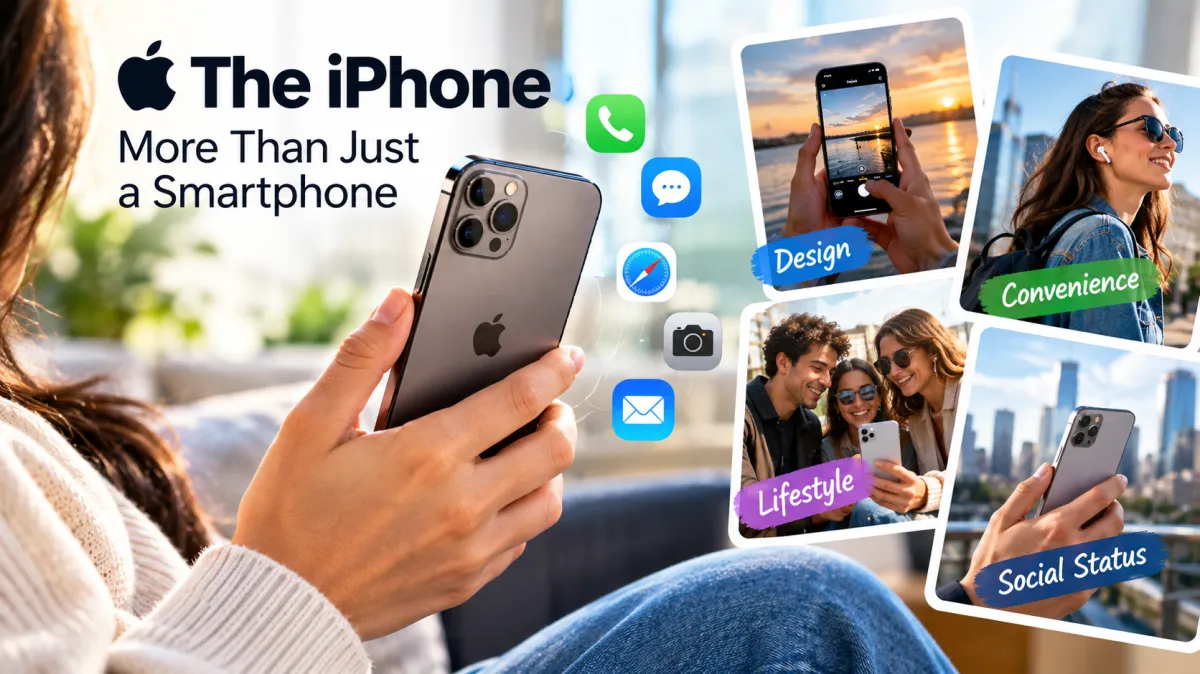
The iPhone has changed the way people think about smartphones. What began as a device for calling, messaging and browsing the internet has gradually become part of everyday lifestyle and popular culture. For some people, an iPhone is simply a useful phone. For others, it can also represent design, convenience or social status.
The iPhone Has a Recognizable Identity
One of Apple’s biggest strengths has been consistency. Each iPhone generation brings changes, but Apple generally keeps a recognizable design language and user experience. As a result, people can often identify an iPhone without needing to see the Apple logo.
That familiarity matters because consumers often prefer products they already understand. The iPhone has built a strong visual identity that has remained recognizable through many generations.
\The iPhone’s influence also extends into the growing foldable-phone market. The iPhone Duo Features Android Foldables Could Get in 2027 explores how Apple’s foldable technology could influence future Android devices.
Apple’s Ecosystem Keeps Users Connected
The iPhone is also more than a single device when it is used with other Apple products. A person who owns a Mac, iPad, Apple Watch or AirPods can connect these products and move between them easily.
For example, messages, photos and other information can be available across multiple Apple devices. This convenience can make users more comfortable staying within the same ecosystem when they eventually replace their phone.

Social Influence Has Played a Role
Technology choices are not always based on specifications. People also notice what their friends, family members, celebrities and online creators are using.
When the same product appears repeatedly in social settings, it can become associated with a particular lifestyle. The iPhone has benefited from this visibility for years, helping it become recognizable far beyond the technology industry.
An iPhone Does Not Always Mean Status
It is easy to assume that someone buys an iPhone because they want to appear wealthy, but that is not necessarily true. People have different reasons for choosing the device.
Some users may prefer iOS, while others may like the camera, software support, security features, accessories or familiar interface. For them, the decision can be practical rather than about appearance.
The Price Makes the Decision More Important
Because iPhones can be expensive, buyers should think about what they actually need before upgrading. A newer model may look attractive, but that does not automatically mean it will make a major difference to someone’s daily life.
Checking your current phone’s battery, camera, performance and software support can help you decide whether an upgrade is actually necessary.
Why the iPhone Remains So Recognizable
The iPhone’s status comes from several factors working together. Its recognizable design, Apple ecosystem, marketing, social visibility and consistent user experience have helped create a strong identity around the product.
For buyers, however, the most useful question is simple: does the iPhone solve the problems you have with your current phone? If the answer is yes, its features may justify the purchase. If not, buying it purely because it has status may not be the most practical decision.